
Views: 0 Author: Site Editor Publish Time: 2025-11-03 Origin: Site


Why the IEC Standard is the Gold Standard
First of all, let's understand what an IEC certification truly represents. For a cable termination or joint, standards like “IEC 60502-4” or “IEC 60840” subject prototypes to a brutal simulation of a lifetime of service in a matter of weeks. What it design is answering critical questions:
Electrical Integrity, Impulse Voltage Test- Can it handle massive voltage surges, like those from a lightning strike?
Long, Load Cycle Test-Can it operate continuously at high temperatures without degrading?
Safety Margin, Power Frequency Withstand Voltage Test--Does it have a significant buffer between its working voltage and its breakdown voltage?
Aging & the Environment, Damp Heat Test: Can it withstand decades of exposure to moisture, UV radiation, and chemical contamination?
A certificate is a formal promise that the product you buy is identical to the prototype that survived this ordeal. What’s more, the principles behind the testing remain your guide.

Where Quality is Forged
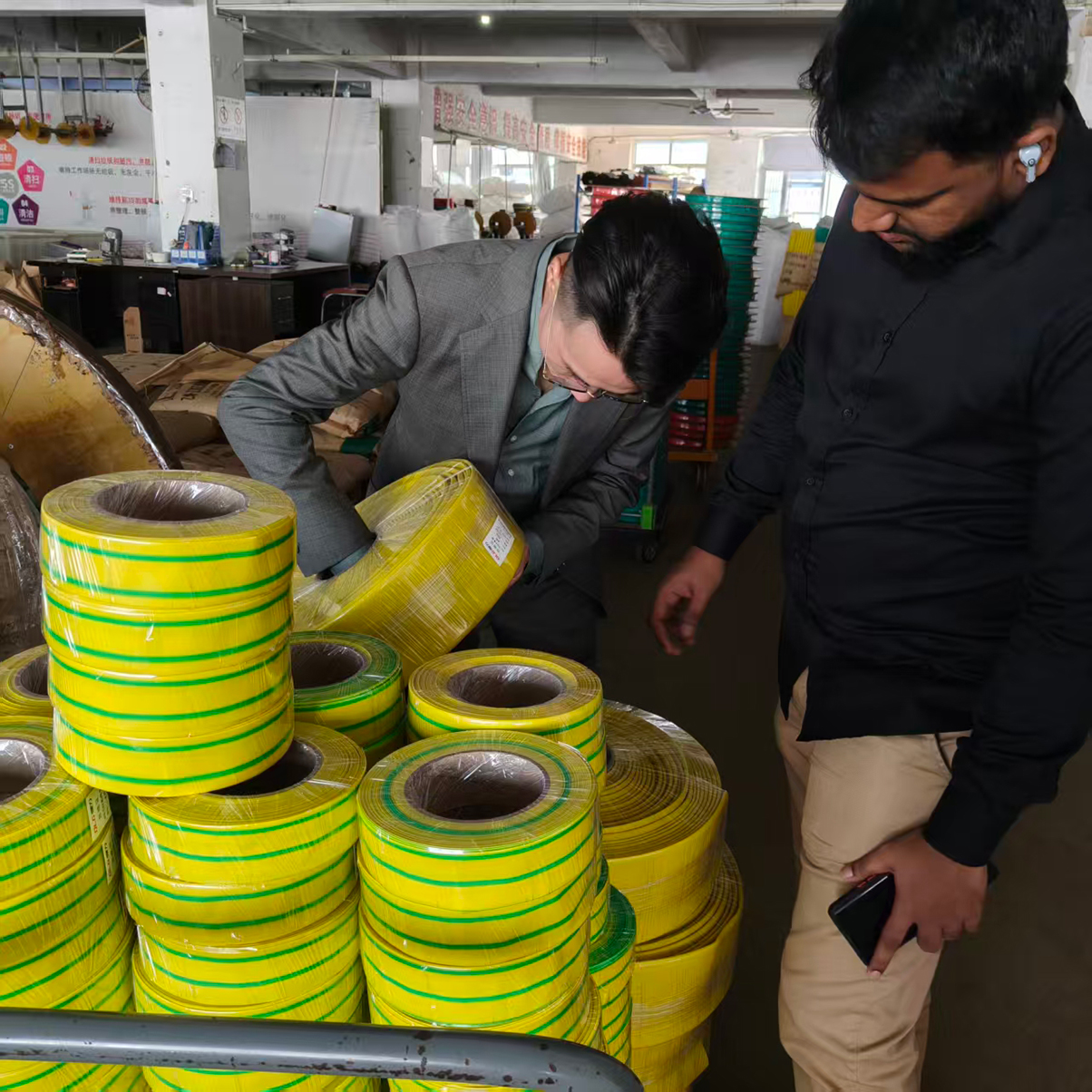
In fact, A visit to the factory is an invaluable source of clues. What’s your first task shall ask probing quality control questions. Instead of " Do you have a certificate?" or" How do you ensure your products are equivalent to the IEC standard?". Listening their understanding of the “Why did engineers design the product this way?”, not just the “What certificates do you have?”.
Raw Materials--Ask for the Material Data Sheets (MDS) for the primary insulation material, usually S.I.R or EPDM. Reputable suppliers will have them. Where do they source their materials? A factory using certified, high-grade raw materials from known suppliers is building on a solid foundation.
Process Control--On the factory floor, look for cleanliness. Dust is the enemy of a perfect electrical seal, especially for pre-molded joints. Are injection molding machines and vulcanization presses monitored for precise temperature and pressure control? Consistency here is key to preventing hidden voids or imperfections.
Final Testing--Do they have in-house Partial Discharge (PD) and AC Withstand Voltage test equipment? PD is a sensitive measure of internal imperfections, like tiny cavities that can eventually lead to failure. A factory that 100% tests every medium or high-voltage accessory before it ships, even with a basic high-pot test, demonstrates a commitment to catching failures.
Certification Past
Even without a current certificate, a quality-conscious factory will have a history of validation or Bidding experience. Politely request Third-Party Type Test Reports or Official bidding records.
These are reports from independent, authoritative labs like China Electric Power Research Institute (CEPRI), KEMA Labs (in Europe), or other internationally recognized bodies. These reports detail how a specific sample of their product performed against the full IEC test sequence.
It’s powerful evidence that their design and process are capable of meeting the standard though not a guarantee for every unit. More importantly, scrutinize the the product model, IEC standard and results of the report. A company with integrity is more trustworthy.
Clues in the Physical Object
If can get samples, you can perform your own preliminary examination. Your senses are your first tools.
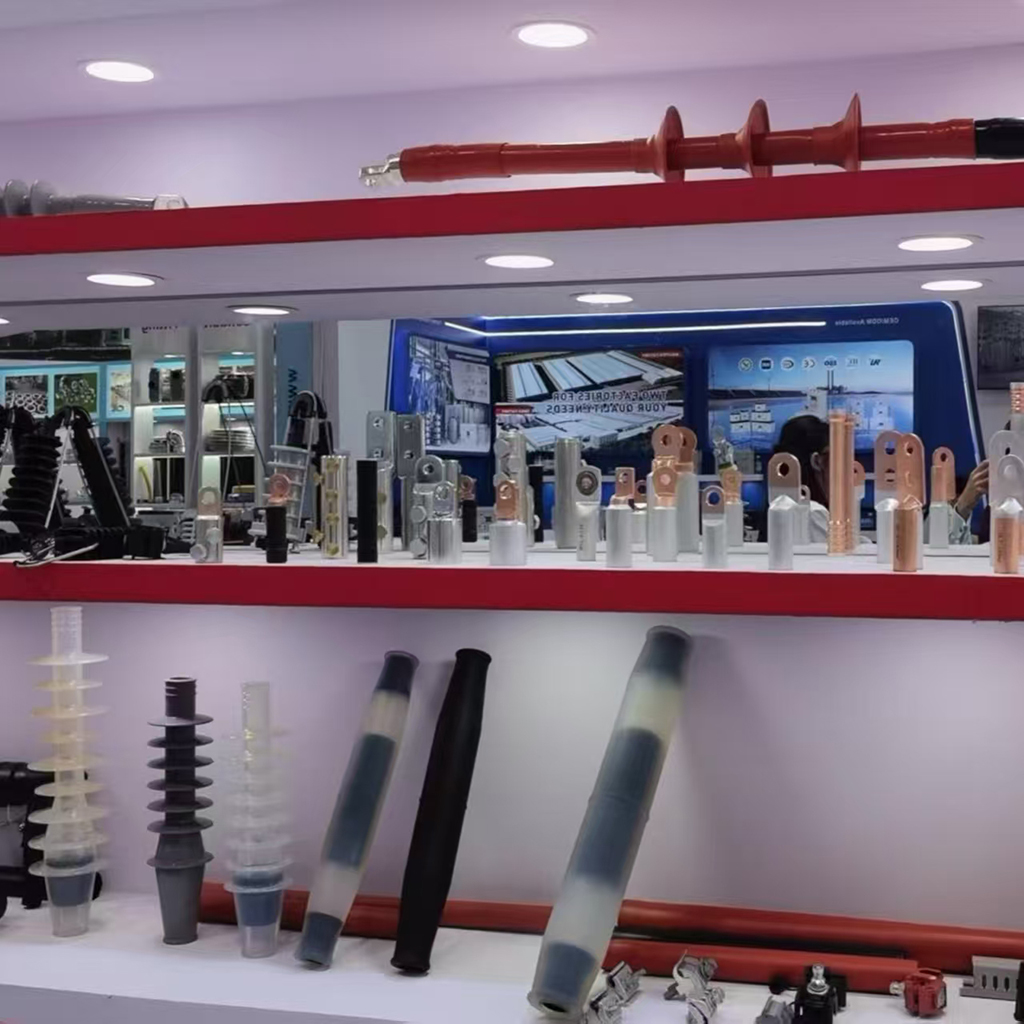
Sight: Examine the surface of the rubber insulation and semi-conductive layers. It shall be free of flow lines, air bubbles or contaminants. In fact, any physical imperfection is a potential danger that microscopic degradation grows over time until it causes a short circuit. Check the clarity of molded-in logos and voltage ratings.
Touch: High-quality silicone rubber has a specific, robust feel. It should be elastic and spring back quickly when deformed. Inferior materials can feel tacky, overly stiff, or unnaturally soft. Check the sharpness of molded features and the engagement of mechanical parts, like the threads on a screw-on terminal. Precision here reflects precision in manufacturing.
In addtion, If you have ever purchased several cold shrink couplings of the same model from different manufacturers at the same time, you will find that some manufacturers use abrasive particles to improve the adhesion between the semiconductive layer and the insulating layer. And some simply add a layer directly on top of the semiconductive layer, resulting in different textures such as roughness and smoothness.This depends on the engineer's design philosophy, and both are beneficial to the product itself.
Negotiating a Pre-Production Trial
But for a larger order, the most definitive step you can take is to commission your own tests. Propose to the factory that you or both parties to a certain proportion to cover the cost of sending randomly selected samples from their production line to a third-party lab of your mutual agreement. The tests don't need to be the full, expensive suite. Focus on the two most telling diagnostics:
Partial Discharge Test: This is the MRI of cable accessories. It can detect internal flaws invisible to the naked eye. A low PD level (measured in picocoulombs) is a hallmark of superior design and manufacturing.
AC Withstand Voltage Test: This is the stress test. The accessory is subjected to a voltage significantly higher than its rated voltage for a short period. It’s a simple, go/no-go test of the product's fundamental electrical strength.
A factory confident in its quality will agree to this. Their willingness to be transparent is, in itself, a major quality indicator.

Reputation is Reality
An occasional factory visit may not be enough to build mutual trust. Experience and reputation can also indirectly demonstrate quality.
Technical Expertise: Engage with their engineers. Do they speak knowledgeably about electric field distribution, the function of stress control layers, and the chemistry of polymer aging? A team that understands the science behind the product is more likely to innovate and solve problems than one that merely follows a recipe.
Customer Track Record: Ask for a list of reference projects, especially with utilities, large industrial plants, or infrastructure projects. These entities have their own rigorous approval processes. A factory supplying a national grid or a metro system has already passed a significant quality audit. Reach out to these clients if possible. Long-term operation in the field is the ultimate test no lab can fully replicate.

Weaving the Evidence Together
Navigating a cable accessory purchase without an IEC certificate is not about finding a single "smoking gun." It's about building a case from circumstantial evidence.
A High-Risk Supplier will be characterized by vagueness, a lack of documentation, refusal to allow independent testing, and a factory floor that feels more like a workshop than a precision manufacturing facility.
A Lower-Risk, Viable Supplier may lack the formal certificate but will demonstrate a culture of quality. They will have a paper trail of third-party reports, robust in-house testing, transparent and traceable material sourcing, and a portfolio of satisfied, reputable clients. Most importantly, they will be open and collaborative in proving their product's worth.


